Crabgrass, Goosegrass, and More: Building a Weed Control Program That Actually Works in North Myrtle Beach, SC
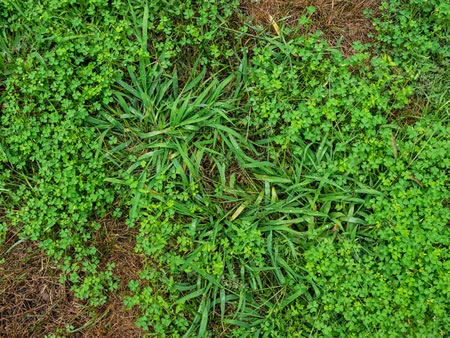
If lawn weeds keep showing up no matter what you try, you are not alone. North Myrtle Beach lawns face tough coastal conditions that invite crabgrass, goosegrass, sedge, and spurge to move in. The fastest way to turn the tide is a seasonally timed weed control program tailored to our local climate and warm-season grasses.
Below, you will see how a complete program tackles the right weeds at the right time, why timing beats guesswork, and what to expect from Seagreen Lawn Care and Irrigation Inc. when you want consistent, visible results.
Why Weeds Win Along The Grand Strand
From Cherry Grove to Windy Hill, our sandy soils drain fast and heat up early. That means spring germination windows can open sooner than you think, then summer heat and afternoon storms keep weeds spreading.
Crabgrass loves thin turf and sunny, compacted areas along driveways and sidewalks. Goosegrass thrives in high-traffic, hard-baked spots like curb strips and path edges. Sedge shows up in wet or overwatered areas, including low spots after coastal downpours.
Thin, stressed turf is the open door weeds are waiting for. A program that strengthens grass while disrupting weed life cycles will always outperform one-off treatments.
What a Weed Control Program in North Myrtle Beach, SC Includes
A results-driven plan is not just a spray. It is a calendar of proactive and corrective steps designed for Bermuda, zoysia, and centipede lawns common in North Myrtle Beach.
- Pre-emergent applications to stop annual weeds like crabgrass and goosegrass before they sprout
- Targeted post-emergent treatments for visible invaders without harming desirable turf
- Soil and turf-density support that helps grass outcompete new weeds
- Seasonal adjustments for heat, humidity, and coastal rainfall patterns
The outcome is not just fewer weeds. It is thicker, greener turf that resists future outbreaks. When you are ready to set that plan in motion, explore our local weed control program for a clear, dependable schedule.
Spotlight: Crabgrass vs. Goosegrass
Crabgrass germinates as soils warm in late winter to early spring. It sprawls, forming low, coarse clumps that spread into sunny, open areas. Goosegrass shows up later, often in compacted or high-wear zones, with tight, wagon-wheel centers that sit flat to the soil.
Both are annuals that rely on seed. Break the cycle and you break the takeover. Missing the early pre-emergent window makes both species much tougher to manage.
If you want a deeper dive into seasonal risk and visuals, our local crabgrass control guide explains why spring prevention is so important along the coast.
Don’t Forget The “Other” Weeds: Sedge and Spurge
Sedge looks like grass but grows faster and stands stiffer, popping up in damp, poorly drained areas. Spurge creeps along bare soil in sunny beds and lawn edges, rooting at nodes and spreading fast in summer heat.
These species respond best to identification-driven control rather than blanket treatments. That is why professional scouting matters. Accurate ID is step one to effective control.
Fertilization and Weed Control Work Better Together
Weed suppression is only half the story. Dense, healthy turf is your long-term shield. Balanced nutrition builds that shield, thickening grass and closing the gaps weeds exploit.
That is why many homeowners in Barefoot Resort and Ocean Drive see the best results when scheduling weed control alongside lawn fertilization services. Stronger roots, steadier color, and fewer thin spots mean fewer invaders each season.
Timing Beats Guesswork In North Myrtle Beach
Our coastal weather swings quickly. Warm snaps accelerate germination. Thunderstorms push nutrients and products through sandy soils faster than inland lawns. Successful programs adapt in real time.
- Early-season prevention to block the first flush of annual weeds
- Mid-season corrections as heat and traffic stress turf
- Late-season tightening to reduce seed set and winter carryover
Short windows make on-time visits crucial. When applications land on schedule, you see fewer breakouts and steadier turf quality from spring through fall.
How We Build Your Plan Around Your Property
Every yard has microclimates. A sunny Crescent Beach front lawn fights different weeds than a shaded backyard off Highway 17. High-traffic paths compact soil. Gutter lines stay wetter after storms. We map these zones so treatments land where they will have the most impact.
Your plan also considers grass type and desired look. Bermuda wants a dense, athletic finish. Centipede prefers a more relaxed growth habit. Zoysia loves thickness. Each responds differently to nutrients and herbicides, so the schedule matches your turf, not a generic template.
What Results Should You Expect?
Most homeowners notice fewer new weeds within the first treatment cycles, followed by thicker turf that holds color longer. Areas that were once patchy begin filling in as the lawn gains density and resilience.
The goal is steady improvement, not overnight perfection. As the program builds momentum, you will see fewer escapes and less seed production year after year. Consistency is what turns a good season into a great lawn.
Common Questions From Local Homeowners
Is it safe for kids and pets? Treatments are applied by trained professionals and allowed to dry as directed before normal use resumes. Concerned about event timing or backyard schedules? Let us know, and we will plan visits with your family routines in mind.
Will I still see some weeds? A few can slip in between visits, especially after heat spikes or heavy rains. The program accounts for those moments with follow-up corrections that bring things back in line.
Program Milestones Across The Year
Spring focuses on prevention and jump-starting turf density. Early summer addresses breakouts in sunny or compacted areas. Late summer targets stubborn species like goosegrass and spurge in high-wear zones. Fall supports recovery and prepares turf to overwinter clean.
This rhythm fits our local conditions from Little River to Longs. It is how you avoid the one-step-forward, two-steps-back cycle that frustrates so many DIY attempts.
Ready To See Fewer Weeds And Thicker Grass?
If you want a side-by-side look at why enrolling matters, read our short piece on why weed control programs are essential. When you are set to move forward, our team will align the calendar with your property’s needs and build in check-ins after major weather shifts.
You can also explore our full local services anytime from the weed control program in North Myrtle Beach, SC home page to see how lawn care, irrigation, and pest services fit together for a cleaner, more consistent lawn.
Make The Smart Switch To A Program That Works
North Myrtle Beach lawns can be unforgiving, but a clear plan turns the tide. A proactive schedule, targeted materials, and turf-strengthening support give you results you can see from the street.
Talk with Seagreen Lawn Care and Irrigation Inc. today about setting up a seasonally tuned weed control program for your home. Prefer to start by phone? Call 919-422-9565 and tell us what you are seeing in your lawn. We will put a plan in place that matches your property and your goals.
