How Can Lawn Fertilization Help Weak Grass Grow Thicker in Longs, SC?
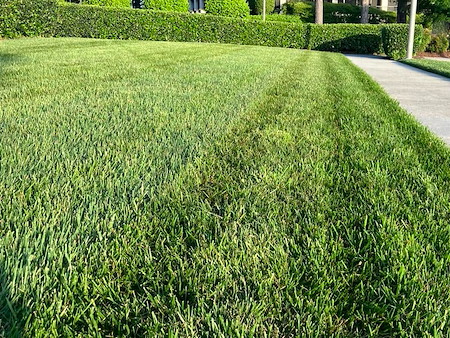
When grass turns thin and tired in Longs, it is often the result of sandy soils, heat, and fast-moving coastal weather. A targeted lawn fertilization plan gives the turf what it can actually use, so it fills in and holds color through our summers. If you want a clear path from weak to dense, start with a professional, soil-driven approach and learn how it works on the Grand Strand. You can see what’s included on our lawn fertilization service page.
Why Thin Lawns Happen Along the Grand Strand
Sandy and shell-influenced soils around the Highway 9 corridor drain quickly. Nutrients move below the root zone after storms, leaving grass hungry even if it was fed earlier in the season. Near busier streets and driveways, reflected heat and foot traffic add stress. Shade lines from pine stands or oaks also slow growth and open the canopy for weeds.
Warm-season grasses common in Horry County, like centipede, zoysia, and bermuda, perform best when nutrition matches their growth rhythm. Too little feeding keeps them pale and sparse. Too much, at the wrong time, weakens roots and invites disease. That balance is why a plan built for coastal turf beats guesswork.
What the Right Nutrients Do for Weak Grass
A well-designed nutrient program improves thickness in several ways. Nitrogen supports steady leaf growth. Potassium strengthens stress tolerance so the lawn holds up to heat and traffic. Micronutrients like iron deepen color without pushing soft, surge growth. Centipede is especially sensitive, so the blend and timing need to be spot on. **do not overfeed centipede grass** if you want durable density.
- Feeds at a rate the soil can hold, so more nutrition reaches roots
- Improves density that naturally shades out weeds
- Builds stronger roots that handle carts, kids, and pets
- Supports even color from curb to patio without surge growth
Local example: lawns just inland from North Myrtle Beach often green up fast after a light, balanced feeding paired with iron. With consistent scheduling, the thin look along sidewalks and cart paths softens into a thicker, uniform surface.
Timing Matters in Longs, SC’s Coastal Climate
Our weather swings from gully-washer afternoons to long, hot stretches. The plan should follow the grass, not the calendar. Use controlled-release sources during peak growth and shift the focus as days shorten. That protects the lawn and keeps progress steady across the season.
Two timing truths help lawns in Longs hold thickness:
- Match feedings to warm-season growth stages so roots, not weeds, benefit
- Avoid heavy nitrogen before full green-up or late in the season when stress rises
In short, **schedule fertilization with growth, not the calendar**. This approach reduces wasted product and keeps color even between rains.
Coastal tip for Longs: summer downpours can flush nutrients from sandy soil. **watch for nutrient leaching after heavy rain** and let a pro adjust the next visit instead of doubling up. It protects your lawn and helps keep runoff out of local waterways.
Real-World Changes You Can Expect
With a soil-first nutrient plan, thin areas close as new shoots spread. Color deepens without the brittle feel that comes from quick-release spikes. You will also notice fewer weeds because thicker turf leaves less room for intruders. Along driveways, where tires and heat once took a toll, sturdier roots hold the tuft line better.
Homeowners near Little River and Long Bay often see the biggest gains where traffic is highest. After a few consistent visits, the lawn feels more like carpet underfoot and recovers faster after a busy weekend or a stormy week.
Fertilization Works Best When Watering and Traffic Are in Sync
Even the best nutrition struggles if water is uneven or soil is compacted. Coverage gaps and overspray can leave corners crispy and edges overfed. Pair the plan with routine checks of your sprinklers and small adjustments to mowing patterns. If your system needs attention, explore options on our irrigation systems page to support consistent results.
Compaction shows up where carts turn or where kids and pets play. A tailored fertilization plan anticipates those hot spots and supports recovery, but your technician may also recommend changes to traffic flow or mowing height to protect new density.
Why Professional Care Beats One-Size-Fits-All
Labels never tell the whole story. The same bag behaves differently in a breezy, sunny lot off Highway 9 than it does in a shaded backyard near the Waccamaw. Pros test soil, read microclimates, and apply with calibrated equipment so coverage is even and compatible with any weed or pest treatments already scheduled. **skip one-size-fits-all bags** and you avoid setbacks that erase progress.
A professional plan also coordinates with the rest of your yard care. If there is a pH issue, the team phases in corrections so the grass can use the nutrients you are already paying for. When storms hit and leaching speeds up, the next visit shifts instead of stacking product. That is how a lawn keeps moving forward from June through September without burning out.
If you want a simple way to see how all the pieces fit, browse our full list of lawn care services. For a primer on the benefits and approach, you can also learn more by visiting lawn fertilization in Longs, SC on our home base and seeing how it connects with the rest of your program.
How Professionals Turn “Thin” Into “Thick”
Turning around a thin lawn is not a single visit. It is a sequence designed for your grass type, shade, and irrigation. First, confirm what the soil can hold. Then schedule balanced feedings that match growth and avoid stress windows. Along the way, your technician may add micronutrients to deepen color without pushing soft blades that fold under heat.
Results show up in stages. Weeks one to four often bring stronger color and early fill-in. As roots thicken, traffic areas stabilize and weeds lose ground. By late summer, what started as threadbare can feel durable and uniform across the yard.
Stronger Lawns Start with a Local Plan
Longs sits just inland from the beach, so your lawn still feels the coastal push and pull. That means salt on breezy days, sudden storms, and stretches of heat. A local plan understands those patterns and feeds your grass accordingly. Your home, your soil, and your shade lines set the pace. The program follows that pace.
If your yard near the Highway 9 corridor fades fast after rain or browns along hardscapes, a targeted nutrient plan is likely the missing piece. The quickest way to see what that looks like is to review our approach to professional lawn fertilizing and how it builds thickness in coastal turf.
Ready for Thicker, Healthier Turf in Longs?
Put a soil-first plan to work and watch thin patches close for good. See exactly what we do and how it fits your property by visiting our page on lawn fertilization. To get started, call 919-422-9565 and schedule your visit with Seagreen Lawn Care and Irrigation Inc. today.
