How Hidden Lawn Pests Are Eating Your Grass Alive
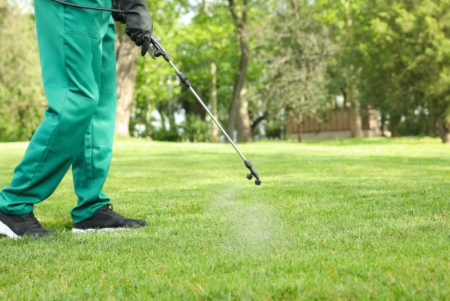
Your lawn can look lush in the morning and ragged by evening. In Calabash, NC, the warm, humid coastal climate speeds up pest life cycles. That means armyworms, chinch bugs, sod webworms, grubs, and mole crickets can multiply fast and strip the green from centipede, bermuda, and zoysia lawns. If you suspect insect activity, learn how targeted insect control programs protect your turf before the damage spreads.
Why Your Calabash Lawn Can Decline Overnight
Many lawn insects feed out of sight. Some chew leaves at night. Others suck juices from blades and stolons during the day. Because feeding happens low in the canopy or below ground, the first thing you notice is not the insect but the results. Patches turn gray or straw colored. Footprints linger after you walk across the yard. Birds crowd the lawn because they are hunting a sudden buffet.
Our coastal setting near Sunset Beach, Ocean Isle Beach, and Carolina Shores adds pressure. Long growing seasons and sandy soils warm up quickly. Pests get several generations each year. When populations spike, the window to stop damage can be very short.
Pests Most Likely Eating Your Grass
Different insects leave different clues. Knowing the likely culprits helps your lawn care pro choose the right timing and materials for safe, effective control.
- Armyworms often arrive in late summer and early fall, mowing across turf in bands. Fresh bite marks and frass show up on blades.
- Chinch bugs thrive in hot, dry areas of St. Augustine and zoysia. They suck sap and inject toxins, causing yellow patches that spread along edges.
- Sod webworms hide in silk-lined tunnels and feed at night, leaving uneven chew marks and thinning turf.
- White grubs chew roots underground. Grass feels loose underfoot and pulls up like a carpet in severe cases.
- Mole crickets tunnel through sandy soils, severing roots and drying out the turf.
These “dying yard pests” can move fast. By the time damage is obvious, populations are often established in the thatch or soil. A professional response is the safest way to stop feeding and help the lawn recover.
What Armyworm Damage Looks Like Locally
Armyworms are a top concern in Brunswick County. Outbreaks often hit Bermuda and zoysia in late summer when nights are warm. You may see a lawn edge that looks scalped, as if someone buzz-cut a strip of turf. Birds like egrets and crows may cluster in the yard, picking off larvae. Fresh damage looks ragged and greenish. A day or two later, the same area turns brown and dry as leaf tissue dies.
Spotting the first wave matters. Rapid response with the right material limits defoliation and speeds recovery. Waiting lets the next generation hatch and spread into new areas of the lawn and landscape borders.
How Professional Turf Insect Management Works
Good results come from more than a single spray. A complete plan targets the pest, the timing, and the pressure your property faces across the season. That is the idea behind comprehensive turf insect management for Calabash homes.
- Inspection and identification. Your technician checks hot spots, thatch depth, moisture, and grass type to confirm the pest and its life stage.
- Program-based treatments. Applications are scheduled around egg hatch and larval feeding windows to make each visit count.
- Resistance-smart rotations. Materials are rotated as needed to maintain effectiveness and protect beneficial insects where possible.
- Soil and turf health support. Balanced fertility and proper mowing height help the lawn rebound and resist future stress.
Technicians use calibrated equipment and pro-only formulas designed for turf. “Set and forget” is not the goal. Timed visits and monitoring adapt the plan to real conditions in your yard.
Timing Matters In Brunswick County’s Climate
Our area’s long warm season means multiple peaks of insect activity. Early spring can bring soil pests like grubs. Summer heat favors chinch bugs and webworms. Late summer into early fall is prime for armyworm flare-ups. Storms and tropical systems can also push pests into new areas. When weather shifts, it shifts fast, and so do the insects.
Coastal lawns in Calabash, NC can see sudden pest spikes after heavy rain or wind events. Avoid letting children or pets onto recently treated turf until the product has fully dried and the label-specified interval has passed. This small step protects your family and the results.
Clues That Point To An Insect Problem
While a full diagnosis should come from a lawn care professional, these signs tell you it is time to schedule an inspection quickly:
- Rapid color change from green to gray, then straw, often along edges or sunny spots.
- Ragged blades and thinning patches that expand day to day.
- Birds and wasps actively foraging across the turf for several hours.
- Spongey or loose turf that pulls back easily, which can indicate grub feeding.
Fungus, drought, and nutrition problems can mimic insect damage. Correct identification prevents wasted effort and helps your lawn bounce back sooner.
Why DIY Often Misses The Mark
Insect problems are living, moving targets. Store products are not always matched to the pest or its life stage. Wrong timing reduces control and may stress the grass. Application rates vary by grass type, temperature, and pest pressure. Pros factor in these variables and apply evenly with the right coverage pattern. That is how a program stops feeding fast and sets up longer-term protection.
What A Calabash-Focused Plan Includes
Lawns in neighborhoods like Calabash Lakes and The Village at Calabash often share similar soils and exposures. A local plan accounts for these patterns so you are protected before pests peak. It also pays attention to shaded edges, sunny curb strips, irrigation coverage, and high-traffic play areas that can show damage first.
For example, a plan aimed at armyworm prevention will schedule visits as local degree days rise, then adjust when weather brings sudden surges. For grubs, timing aligns with egg hatch in summer and follow-up checks in early fall. For chinch bugs, spot treatments and perimeter attention help protect heat-stressed sections of St. Augustine or Zoysia.
Materials Matter For Results
Your lawn deserves solutions designed for turf. Certified technicians select products based on pest biology and label direction. Many treatments are targeted and low odor. A professional bug spray for lawn use is applied with calibrated nozzles at the proper pressure so it lands where the insects live. That precision reduces waste and improves control.
Homeowners often ask if one visit will fix everything. Severe outbreaks may need a follow-up, but a well-timed program usually stops active feeding quickly and then maintains protection as new life stages appear.
Recovery: What To Expect After Treatment
Once feeding stops, grass can begin to repair. Bermuda and zoysia often push new growth in warm weather. Centipede moves a bit slower. Thin spots may take a few weeks to fill, depending on season and how deep the damage went. Your technician will outline what normal recovery looks like and how mowing and watering routines support regrowth.
Keep in mind that signs of the original infestation, including frass or a few remaining larvae, may appear briefly as populations crash. Those are often signs the treatment is working. Your lawn care team will recheck hot spots on the next visit.
How Seagreen Lawn Care and Irrigation Inc. Builds A Custom Shield For Your Turf
Every yard is different. Shade patterns, irrigation, soil, and grass type change from street to street. Seagreen Lawn Care and Irrigation Inc. starts with a careful inspection, then maps out a seasonal plan that targets likely pests and pressure points around your home. We schedule visits around Calabash weather patterns and communicate what we find after each stop.
You will know what was treated, why it was treated, and what we expect to see by the next visit. Our team uses professional equipment and materials designed for turf insect management, and we calibrate for your grass type and current conditions.
If you want a deeper look at the service behind this approach, explore our insect control programs to understand how timing and product selection work together across the season.
A Quick Word On Neighbors And Edges
Pests do not respect property lines. Along cul-de-sacs and shared greenways, larvae can spread quickly from one lawn to the next. Edges along sidewalks, driveways, and sunny street fronts heat up faster and often show the first stress. Your program accounts for those microclimates with focused attention where problems tend to start.
Choosing A Partner You Can Trust
Look for clear communication, licensed technicians, and a plan that is timed to Calabash’s growing season. Ask how the provider rotates products and verifies results. Make sure the company explains what success looks like and how your routine mowing and watering will support recovery.
When you want to learn more about lawn insect control and other ways to keep your yard healthy, start with a local team that understands our coastal climate and common grass types.
Take Back Your Lawn In Calabash, NC
Hidden insects can turn a great lawn into a patchwork of brown almost overnight. A responsive plan, matched to the pest and season, is the safest path back to thick, green turf. If your yard in Calabash, Carolina Shores, or nearby Little River looks off, do not wait for small spots to grow into large scars. Read about our approach to lawn pest control services on the page detailing our lawn pest control services and how they are timed for our area.
Call Seagreen Lawn Care and Irrigation Inc. for professional lawn insect control in Calabash, NC today at 919-422-9565. We will inspect, confirm the culprit, and put a plan in place to stop feeding and help your turf recover.
Whether the issue is armyworm damage, sod webworms, chinch bugs, or grubs, our program-based approach focuses on fast control and steady recovery. If recent weather has you worried about an outbreak, ask about armyworm treatment options and how we stage armyworm prevention when conditions favor rapid hatching. We are ready to help your grass thrive again.
