Why Does Your Lawn Keep Getting Weeds Even After You Pull Them?
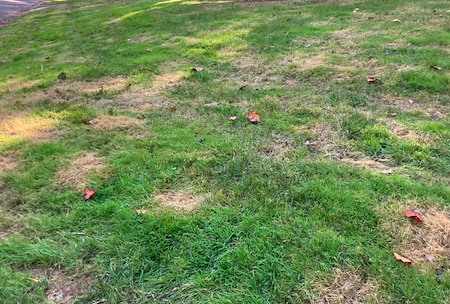
If you’re yanking weeds one weekend and they’re back the next, you’re not alone. In coastal South Carolina, the mix of sandy soils, salt air, and long growing seasons gives weeds a head start. That is why consistent, professional lawn weed control matters as much as what you see above the soil. A service built around timing and turf health, like our weed control programs, stops the cycle instead of chasing it.
What Makes Weeds Keep Coming Back?
Most lawn weeds return because their life cycles don’t end when you pull the leaves. Underground parts or hidden seeds wait for the right conditions, then pop back up. Pulling alone rarely solves the problem because the “engine” that powers the weed is still in place.
- Seeds in the soil: A single plant can drop thousands of seeds that sit in the soil, called the seed bank, for years.
- Roots and rhizomes: Plants like nutsedge and torpedo-type weeds regrow from tiny root pieces left behind.
- Stolons and crowns: Spreading weeds branch from above-ground runners and tough crowns that resist hand pulling.
When you disturb the soil, light and moisture hit buried seeds. That triggers more germination. The result looks like the weed “came back,” but often it’s a fresh batch that was already on standby.
Common Weeds In Little River, SC Lawns
Warm-season lawns along the Grand Strand often include centipede, Bermuda, St. Augustine, or zoysia. These grasses thrive in heat, but so do their toughest rivals. Crabgrass and goosegrass love thin turf and hot, compacted spots near driveways or along sidewalks. Dollarweed and spurge flourish where moisture lingers. Nutsedge races ahead in soggy, low-lying areas after summer storms. Chamberbitter shows up fast in mid to late summer when soils warm up.
Each of these problem weeds has a different growth pattern. That means the best window for control is different too. For example, crabgrass and goosegrass are summer annuals. They sprout from seed, run hard in hot weather, then reseed late season. Missing the early-season barrier gives them months to spread. Perennials like nutsedge don’t care much about barriers. They bounce back from underground tubers unless your treatment hits the plant and the energy stores at the right time.
Why Hand Pulling Fails In Coastal Lawns
Pulling weeds in Little River feels good for a day. The next week tells a different story. Our local conditions work against quick fixes:
- Sandy soils shift and break roots, leaving pieces that regrow.
- Afternoon storms and irrigation splash seeds into thin spots and along edges.
- Long, warm seasons give weeds plenty of time to mature and reseed before turf thickens.
Some weeds also hide in the thatch layer. Others blend in with your grass until they’re mature. That delay matters because plants are hardest to control when they’re older. By the time you notice a clump of goosegrass at the curb, it may already be tillering and ready to drop more seed.
Local tip: In the Grand Strand, a quick afternoon storm can turn dry sand into a seed highway. Thin turf near pavement and mailbox posts is often the first place weeds return. Focusing on density in those edge zones slows the flood of new weeds.
How Professional Lawn Weed Control Breaks The Cycle
Weeds don’t win because they’re strong. They win because they’re early and relentless. Effective programs meet them with the same steady pressure. At Seagreen Lawn Care and Irrigation Inc., we tailor treatments around your grass type, microclimate, and soil needs so your lawn can outcompete invaders. Think program, not one-time spray, and combine accurate weed ID with the right timing across the year.
Here is what a well-built plan targets without asking you to play trial and error:
- Pre-emergent timing matters: A seasonally timed barrier keeps annual weeds like crabgrass and goosegrass from sprouting in the first place.
- Selective post-emergent follow-through: When breakthrough happens, targeted products address the exact weed type and growth stage.
- Turf-first nutrition: Balanced feeding supports dense growth that shades soil and starves weeds of light.
- Edge and seam focus: Driveways, sidewalks, mailbox strips, and shaded play areas get special attention where pressure is highest.
If you want a clearer picture of everything that goes into a healthy, weed-resistant yard, browse our full lawn care services to see how the pieces fit together.
Seasonal Weed Pressure Around The Grand Strand
Little River sits at the northern end of the Grand Strand, with salt air, sandy soils, and hot summers that favor warm-season grasses and weeds. Understanding the rhythm of our seasons helps explain why weeds keep reappearing after you pull them.
Here is how weed pressure often stacks up over the year:
- Late winter to early spring: Cool-season weeds that sprouted over winter show up as your warm-season lawn wakes. Early barriers for summer annuals go down before soil heats up.
- Late spring to summer: Heat-loving annuals like crabgrass and goosegrass surge, especially along sun-baked edges. Perennials like nutsedge race ahead in damp spots after storms.
- Late summer to fall: Weeds that escaped control begin to seed. Fall barriers target winter annuals before they germinate.
- Winter: Your warm-season grass rests while winter weeds slip in anywhere the turf is thin, wet, or compacted.
Missing even one of those windows gives weeds a lane to return, which is why a steady schedule works better than spot-pulling every few weeks.
Soil, Water, And Mowing: The Hidden Reasons Weeds Win
Weeds exploit weak turf. When soil pH is off, the grass cannot use nutrients well. When water sits too long after a thunderstorm, roots stay stressed and thin. Mowing too short exposes the soil surface to light and heat. You can pull every plant you see, but if the turf stays thin, the seed bank keeps feeding new growth.
That is why our programs address the whole lawn environment, not just the weeds. If heavy or uneven watering is washing out some areas and starving others, upgrades to delivery and scheduling help your grass stay even. If you are already tackling dry spots or overspray mess around sidewalks, learning more about your options for irrigation systems can make the rest of your lawn care work harder for you.
When you are comparing providers, look for a team that starts with a site visit, understands warm-season grasses common to Horry County, and explains how each service prevents your specific weeds from coming back.
Crabgrass Control Versus Goosegrass Control
Both are tough summer weeds, but they don’t behave the same. Crabgrass germinates a bit earlier and sprawls. Goosegrass often shows up in compacted, hard-packed areas and can be harder to control once it matures. That difference changes product selection and timing. If you keep pulling clumps from the same sunny, packed strip near the street, it may be goosegrass, and the fix starts with a different plan than you would use for crabgrass.
Our approach separates identification, timing, and follow-through so you are not treating every weed like it is the same. That is the only way to keep those spots from refilling after you pull them.
“I Pulled Them Last Week. Why Are They Back Already?”
There are three common answers in Little River:
- Watch the seed bank: Pulling one plant does not touch the thousands of seeds sitting nearby, waiting for rain and warm soil.
- Missed timing: If a barrier went down too late or wore off too early, new seedlings slip through before the next visit.
- Stress and thin turf: After a heat wave or a week of standing water, thin spots open and weeds fill the gap fast.
None of this means you did anything wrong. It means the yard needs a coordinated plan. When that plan stays on schedule, the seed bank shrinks and the lawn grows dense enough to keep future weeds from gaining a foothold.
When To Call For Help In Little River, SC
Call a pro when you see the same weeds return in the exact places every season, when patches spread faster than you can pull, or when you notice plants with waxy leaves or triangle stems that shrug off hand pulling. These are signs you need selective treatments, better timing, and thicker turf to change the conditions that weeds love.
If you are looking for a trusted local team for lawn weed control in Little River, SC, you will want proven scheduling, accurate identification, and clear communication about what to expect during each visit. Those pieces are what deliver a clean look week after week instead of a short-term fix.
What You Get With A Professional Weed Control Service
The goal is simple: stop weeds before they sprout and clean up any that break through, all while building a lawn that outcompetes the rest. A professional weed control service bundles those steps into a plan that covers your grass type, sun exposure, traffic, and trouble spots. When you see “programs” on a proposal, look for the details that matter in Horry County’s climate: early barriers, targeted follow-ups, lawn nutrition, and attention to the edges that always seem to invite trouble.
You will also see fewer surprises. By aligning visits with the seasons, your team reduces the burst-and-bust pattern that pulls you back to square one. That steady approach is how a yard near the Intracoastal can look as clean in August as it did in May, even with heat, salt air, and afternoon downpours.
Ready To Stop Pulling And Start Winning?
You do not have to spend your weekends chasing the same invaders. When you want weeds to stay gone, it takes a local plan that fits our coast and your grass. Talk with Seagreen Lawn Care and Irrigation Inc. about a schedule that protects your lawn through every season. To see how we tailor timing, products, and monitoring for coastal South Carolina, read about our weed control programs, then give us a call at 919-422-9565 to set up your visit. If you prefer to start with a quick overview of services, our team can walk you through options and place you on the first round that makes sense for your lawn. For long-term clarity and cleaner curb appeal, finish where pulling can’t: a consistent plan backed by pros, reinforced at each visit, and measured by results.
When you are ready to lock in lasting control, schedule service and let us put the right steps in motion. The sooner we reduce the seed bank and thicken the turf, the sooner those repeat weeds stop showing up. Learn more and get on the schedule with our weed control programs today.
