Why Your Lawn Looks Thin, Brown, or Unhealthy in North Myrtle Beach, SC and How Lawn Fertilization in North Myrtle Beach, SC Fixes It
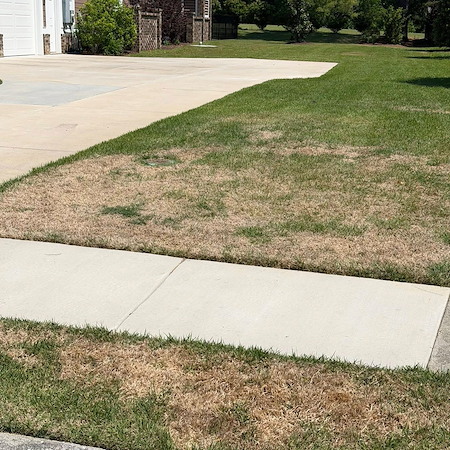
If your yard in Cherry Grove, Barefoot Resort, or Ocean Drive has turned pale, patchy, or brittle, you are not alone. Our coastal climate, sandy soils, and salty breeze make turf care tricky. The fastest path back to a dense green lawn is a targeted plan rooted in soil science and lawn fertilization service that fits North Myrtle Beach, SC conditions.
What Thin Or Brown Grass Really Means In Our Coastal Climate
In North Myrtle Beach, most lawns are warm-season turf like Bermuda, Zoysia, Centipede, or St. Augustine. These grasses thrive in heat but still struggle with poor nutrition, salt spray, compaction near driveways, and seasonal swings between heavy rain and hot, dry stretches.
When a lawn thins or turns brown, homeowners often suspect watering first. Sometimes that is true, but just as often the real culprit is a lack of available nutrients in our sandy soils. Sandy profiles drain fast and do not hold nutrients well. Even if you fertilized in spring, much of that nourishment can leach below the root zone during summer storms.
Persistent brown patches may signal a problem beyond simple dryness. Large patch disease, chinch bugs in St. Augustine, mole crickets, or armyworms can all mimic drought stress. That is why a local, science-based program looks at the whole picture before feeding the lawn.
Common Local Causes Of Unhealthy Lawns
Your lawn’s symptoms point toward one or more root causes. In the Grand Strand, these are the most common:
- Nutrient deficiency from fast-leaching, sandy soils
- Soil pH out of range for warm-season turf, limiting nutrient uptake
- Heat or salt stress near streets and ocean-facing areas
- Compaction from foot traffic, carts, or mowers at the same turning points
- Disease like large patch after warm, wet weather
- Insects such as chinch bugs, armyworms, or mole crickets
- Irrigation coverage gaps that leave corners gray and crispy
Each problem needs a different fix. That is why a professional plan focuses on testing, timing, and product selection instead of one-size-fits-all feeding.
Why Professional Lawn Fertilization Solves The Root Problem
Fertilization is more than putting down nitrogen. A skilled local program does four things very well:
- Balances macronutrients so the lawn grows dense blades and strong roots
- Adds micronutrients like iron and manganese that boost color without surge growth
- Times applications with warm-season growth stages to prevent waste and stress
- Integrates weed control so nutrients go to grass, not crabgrass and sedges
Over-fertilizing in summer heat can burn turf and stain hardscapes. The right plan favors controlled-release sources and calibrated equipment that match our climate. That is how Seagreen Lawn Care and Irrigation Inc. targets results without causing new problems.
How A Local Program Works In North Myrtle Beach
Healthy lawns start with what is beneath your feet. Our coastal soils often need help holding nutrients and keeping pH in the right window for warm-season grass. A professional program backs each visit with soil analysis so the lawn gets only what it can use. It also accounts for neighborhood nuances. Tidewater Plantation and Windy Hill can face saltier winds. Barefoot Resort homes may see compaction near cart paths. Cherry Grove lots can sit wet after king tides. The plan adjusts for all of that.
Timing also matters. Feeding warm-season turf too early in spring or too late in fall can set it up for disease or winter injury. Your technician schedules visits around local weather trends and growth stages, not the calendar alone. Do not assume brown turf is dead; warm-season grass can go dormant after stress and recover with the right nutrition.
When It Is Not A Fertility Problem
Sometimes feeding will not fix the issue by itself. If thin areas follow a sprinkler’s reach or a tree’s shade line, nutrition is only part of the answer. An experienced team will check coverage, pressure, and run times, then coordinate with irrigation pros when needed. If you suspect dry rings or uneven watering, explore modern controls and nozzles on our irrigation systems page to support the results of fertilization.
Pests and disease can masquerade as nutrient problems, especially after warm, wet spells. Large patch creates circular brown areas with orange margins, while armyworms can strip green color almost overnight. If areas decline fast, treat the cause first, then resume nutrition once the turf is stable.
What Results Look Like With The Right Feeding Plan
In a few weeks, density improves as new shoots fill gaps. Color deepens, often with a darker blue-green from iron and balanced nitrogen. Weeds fade as thicker turf crowds them out. Footpaths that once looked tired keep their tuft, because stronger roots tolerate traffic better. By late summer, the yard that looked worn in June can feel like carpet under bare feet.
The key is consistency. Skipping visits or changing products mid-season can undo progress. A steady plan matched to North Myrtle Beach weather makes gains stick from Cherry Grove to Little River.
How We Tailor Lawn Fertilization In North Myrtle Beach, SC
Seagreen Lawn Care and Irrigation Inc. builds a schedule around your grass type, shade, irrigation, and soil profile. We use slow-release sources during peak growth, supplement with micronutrients for color, and time pre-emergents to keep spring weeds from stealing food. If testing shows a pH issue, we phase in corrections so the grass can use the nutrients you are already paying for. When heavy rains hit, we may adjust the next visit to account for leaching and disease pressure.
To see how this looks at your address, review our dedicated page on lawn fertilization service and how it restores color and thickness across the Grand Strand.
Irrigation, Mowing, And Traffic: Partners To Fertility
Feeding works best when water, height, and traffic cooperate. While your technician handles nutrition, we also evaluate patterns that work against your turf. Corners near driveways often get compacted. Carts and mowers turn in the same spots each week. Sprinklers may skip the windy side of the lot. Aligning these factors keeps nutrients working where you can see them.
If your system is older or hard to balance, consider upgrading to improved heads and controllers. You can learn how modern setups support turf health by browsing our irrigation systems options and asking your technician which features matter most for sandy coastal lawns.
Signs Your Lawn Needs A Fertility Check
Look for these early clues around North Myrtle Beach properties:
- Grass blades look yellow-green even after good rain
- Pale streaks following mower tracks after a hot day
- Thin spots where foot traffic is common or soil is shallow
- Weeds thriving while turf stalls out
- Green color that fades quickly after a brief improvement
Any one of these hints can point to a nutrition or uptake issue. A soil-driven plan finds out which nutrients are low and which are present but locked up by pH, then gives the grass what it can actually use.
Why Local Expertise Matters On The Grand Strand
Our region combines ocean influence, sandy soils, and summer heat that pushes turf to the edge. A plan that works inland may flop at the beach. Seagreen Lawn Care and Irrigation Inc. focuses on coastal yards, from Windy Hill to Surf Estates, so we match feeding and timing to this environment. We also coordinate with other services as needed. If irrigation needs attention, we loop in upgrades from irrigation systems. When your landscape is ready for a broader refresh, you can browse our core lawn care services to see how each piece supports dense, lasting turf.
A Note On Environmental Care
Feeding a lawn the right way protects our waterways and marshes. That means precise rates and smart timing guided by testing and weather. Less is more when every granule does real work. Responsible programs keep nutrients in the root zone and out of storm drains, which matters for everyone from Little River to the Intracoastal Waterway.
Get Your Color And Thickness Back
If your yard looks tired or blotchy, it is fixable with a plan that fits coastal turf. Learn how Seagreen Lawn Care and Irrigation Inc. designs soil-first care and see real program details by visiting our page on professional lawn fertilization. For quick help or to book a visit, call 919-422-9565 or start with lawn fertilization in North Myrtle Beach, SC to explore our approach and service area. When you are ready to round out your landscape care, take a minute to browse all our lawn care services and see how each step works together for a greener backyard by the beach.
Your lawn can recover faster than you think when the plan fits the place.
